
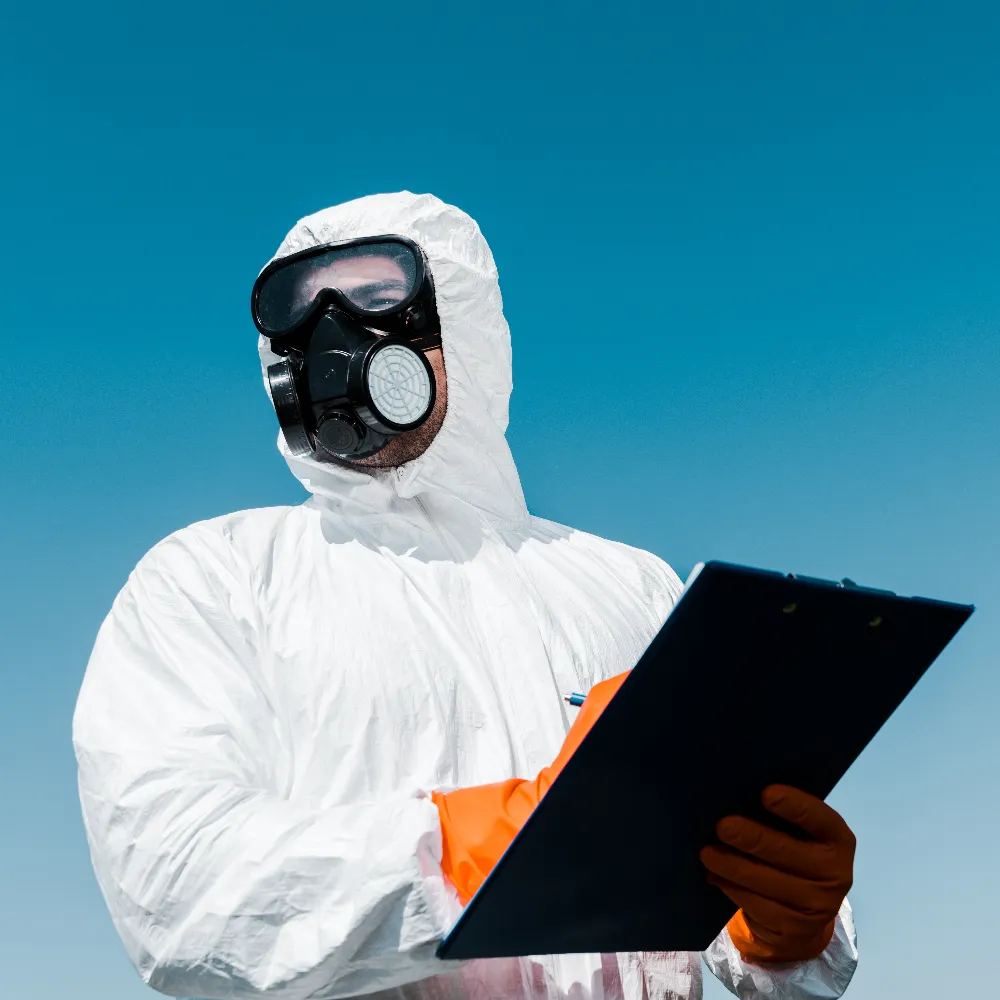
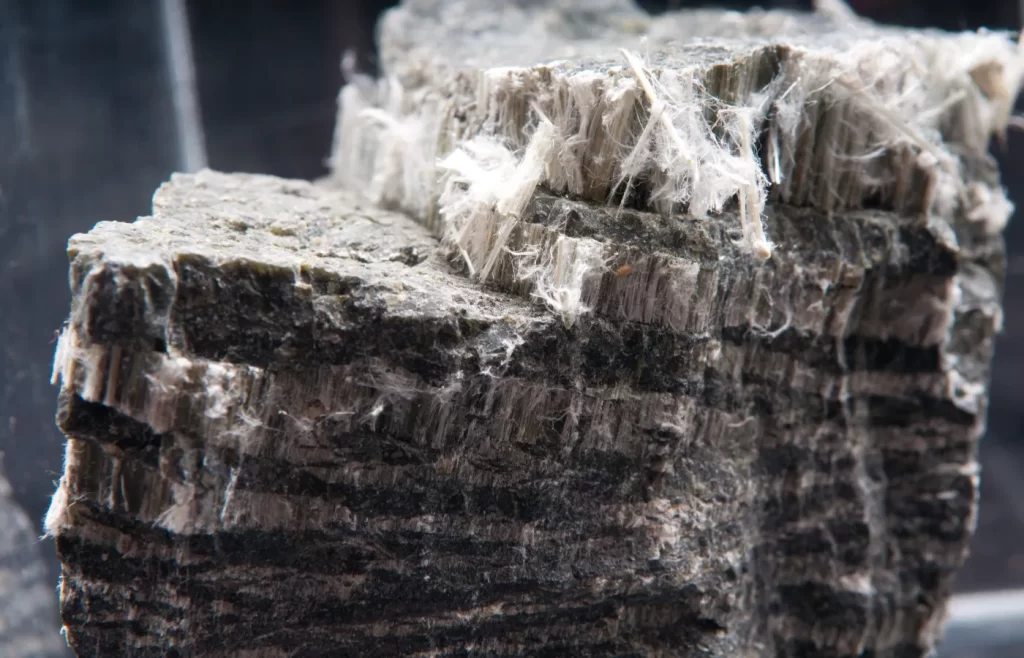
Many older houses in Rhode Island have Asbestos. So, where exactly is it hiding? The five most common places are old floor tiles, pipe wraps, textured ceilings, roofing, and attic insulation. Before the 1980s, builders used this material to make homes safe from fires. But now we know it can make you sick if you breathe it in.
1. Old Floor Tiles and Glue
Lots of older homes have hidden dangers right under your feet. Vinyl floor tiles from the past often have this material inside them. The black glue used to stick them down can have it too. If your floor is old, watch out for:
- Tiles that are 9 by 9 inches.
- Thick, dark glue under the tiles.
- Cracked or broken tiles that make dust. Do not pull these tiles up by yourself. Let Cleanworks check your floors to learn about our safe removal options.
2. Pipe Wraps and Insulation
Look in your basement for pipes wrapped in a thick, white material. This old wrap was used to keep hot water pipes from losing heat. It looks like dirty cardboard or thick tape wrapped around the metal. If this wrap gets old and flakes off, it puts bad dust into the air. If you see breaking wraps, call us to learn more about keeping your home safe.
3. Textured Popcorn Ceilings
Popcorn ceilings were very popular in the 1970s. Builders sprayed this bumpy stuff to hide cracks and block noise. Sadly, many of these ceilings are full of dangerous dust. You should be careful if:
- Your home was built before 1980.
- The ceiling looks bumpy like popcorn.
- The ceiling is crumbling or peeling. Scraping this ceiling on your own is a very bad idea. If you need help dealing with Insurance Restoration, our team can guide you through the next steps.
4. Roof Shingles and Siding
This strong material was also used on the outside of older Rhode Island homes. Old roof shingles and siding pieces often contain it to stop fires. As long as they are not broken, they are usually safe. But strong storms or water damage can break them apart. If a storm hurts your home, reach out to us for safe repair options.
5. Attic Insulation
Some old attics have fluffy, loose insulation that looks like gray pebbles. This is called vermiculite, and it often has dangerous dust mixed in. If you go into your attic and see this, do not touch it or sweep it. Moving it around will push the bad dust into the air you breathe. We know how to test and fix this problem, so ask us about our safety plans.
Conclusion
Finding these dangers in your older Rhode Island home can be scary. But you do not have to fix it alone. Our team is here to help you with safe asbestos abatement to make your house clean again. If you think you have a problem, contact Cleanworks today for peace of mind.
Frequently Asked Questions
Can I remove asbestos myself?
No, it is not safe to do it yourself. You need proper asbestos abatement from a pro. They use special gear and training so you do not breathe in the dust.
How do I know for sure if my home has it?
The only way to know is to have an expert test it. A pro will take a tiny piece and look at it in a safe lab.