
In the quiet corners of our homes, mold can silently creep in, posing potential risks to both our health and the integrity of our living spaces. Unseen and often misunderstood, mold has the knack of turning a cozy home into an unwitting host for its growth. But fear not, as we embark on a journey to unravel the mysteries behind the scenes of mold remediation – a step-by-step guide to reclaiming a healthier home.
In this blog, we’ll break down the complexities of mold remediation using simple language, offering you a clear and concise understanding of the process. No need for a dictionary or a science degree; we’re here to demystify mold and its removal, empowering you to take charge of your home’s well-being. So, let’s dive into the world of mold remediation, where each step brings us closer to breathing fresher air and living in a space that’s not just a house but a haven.
Why Mold Remediation is Crucial for Your Home's Health
Understanding why mold remediation is crucial for your home’s health is akin to acknowledging the silent threat lurking behind the walls. Mold, beyond its unsightly appearance, poses significant health risks to occupants. The spores released by mold can trigger respiratory issues, allergies, and even more severe health complications. Mold remediation is not merely about cosmetic improvements; it’s a critical measure to safeguard your family’s well-being. By eradicating mold, you eliminate the potential for these health hazards, creating an environment where the air is clean and free from harmful contaminants. In essence, mold remediation becomes an investment in the longevity and vitality of your home, ensuring it remains a safe haven for all who dwell within.
How Mold Develops in Homes: Understanding the Causes
Mold, that unwelcome houseguest, tends to set up camp in our homes without an invitation, and understanding its preferred party conditions is key to preventing its appearance. Here, we’ll shed light on the top five most common causes of mold development, unveiling the secrets behind its stealthy invasion.
- Excess Moisture: Mold is like an enthusiastic party crasher that thrives in damp environments. Leaks in roofs, plumbing, or foundations, as well as high humidity levels, create the perfect breeding ground for mold. Any lingering moisture, whether from a recent water leak or consistently humid conditions, provides the ideal setting for mold spores to germinate and multiply.
- Poor Ventilation: Stagnant air and poor ventilation can contribute significantly to mold growth. When air circulation is inadequate, moisture
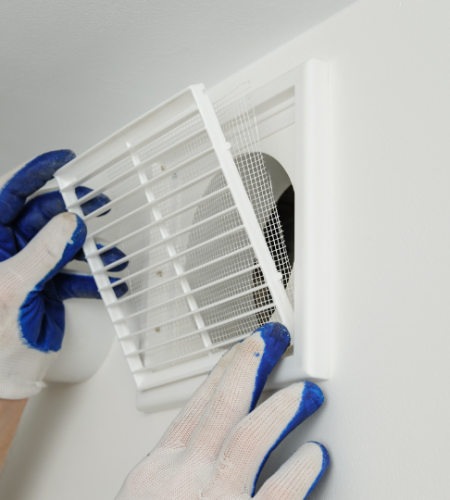
- tends to accumulate in confined spaces, such as bathrooms, kitchens, or basements. This trapped moisture encourages mold spores to settle and start their growth, particularly in hidden corners or on surfaces with limited exposure to fresh air.
- Water Intrusion: Mold is a resourceful intruder that exploits any opportunity for water ingress. Be it through leaky windows, compromised seals, or damaged siding, water intrusion can introduce the necessary moisture for mold to thrive. Timely detection and repair of these entry points are crucial in preventing mold from establishing a foothold in your home.
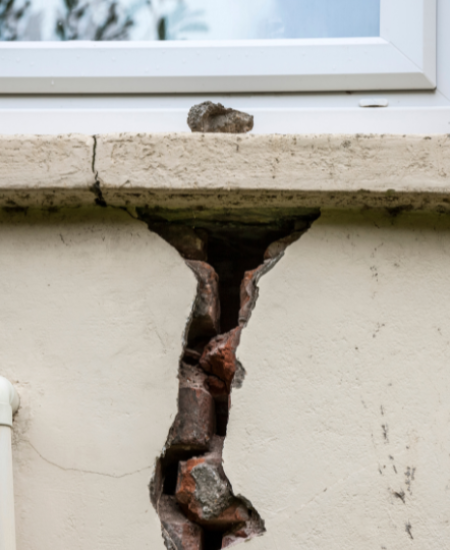
- Damp Basements and Crawl Spaces: These often-neglected areas are like a haven for mold. Poor drainage, foundation cracks, or inadequate waterproofing can result in persistent dampness. Mold is quick to seize this opportunity, spreading its presence in these concealed spaces where it often goes unnoticed until the problem becomes more extensive.
- Leaking or Burst Pipes: A sudden water event, such as a burst pipe or a persistent leak, can unleash a torrent of troubles, with mold growth being a major concern. The dampness from these incidents can penetrate building materials and create an environment conducive to mold development. Swiftly addressing and repairing water-related issues is crucial to preventing mold from gaining a foothold.
Understanding these causes of mold development equips homeowners with the knowledge needed to fortify their defenses. By addressing these common issues, you can create an environment less inviting for mold, ensuring your home remains a mold-free zone.
The Dangers of Ignoring Mold Issues
Ignoring mold issues in your home might seem like a harmless oversight, but the consequences can be far-reaching and detrimental to both your property and well-being. Let’s delve into the top five dangers associated with turning a blind eye to mold problems.
- Health Risks: Mold spores can trigger a range of health issues, especially for individuals with allergies, asthma, or compromised immune systems. Prolonged exposure to mold can lead to respiratory problems, skin irritation, and even more severe health complications.
- Structural Damage: Mold doesn’t limit its mischief to your health; it can also wreak havoc on your home’s structure. As it spreads and grows, mold can compromise the integrity of building materials such as wood and drywall, leading to structural deterioration and potential safety hazards.
- Reduced Indoor Air Quality: Mold releases airborne spores that can significantly diminish the quality of the air you breathe indoors. Poor indoor air quality can contribute to various respiratory issues and exacerbate existing health conditions, making your home an unhealthy living environment.
- Unpleasant Odors: Mold comes with an unmistakable, musty odor. Ignoring mold issues means subjecting your home to persistent, unpleasant smells that can permeate through living spaces, affecting your comfort and making your home less inviting.
- Increased Remediation Costs: Delaying the remediation process allows mold to establish a stronger foothold, making the cleanup more extensive and costly. What might have been a manageable issue can quickly escalate into a major undertaking, both in terms of time and financial investment.
By understanding these dangers, homeowners are encouraged to address mold issues promptly, safeguarding their health, property, and financial well-being. Ignoring mold is not an option when the stakes are as high as the well-being of your home and those who dwell within its walls.
Why Professional Mold Remediation is Essential
Professional mold remediation is essential for several compelling reasons. Firstly, experts possess the knowledge and experience to identify the extent of mold infestation accurately. Their proficiency ensures a comprehensive approach to eradicate mold at its source, preventing recurring issues. Moreover, professionals employ advanced techniques and specialized equipment, guaranteeing a thorough removal process that goes beyond surface cleaning. DIY attempts may only scratch the surface, leaving hidden pockets of mold to thrive. Additionally, mold remediation specialists implement preventive measures to hinder future growth, providing long-lasting results. By entrusting professionals, homeowners not only ensure their health and well-being but also safeguard the structural integrity of their property, fostering a mold-free and healthy living environment.
The Step-by-Step Process of Mold Remediation:
- Assessment and Inspection: The first crucial step involves a comprehensive assessment of the affected areas. Mold remediation professionals conduct a thorough inspection to identify the extent of mold growth, the type of mold present, and the underlying causes. This step is vital in crafting a tailored remediation plan.
- Containment Measures: To prevent further spread of mold spores, containment measures are implemented. This involves sealing off the affected area with barriers and negative air pressure, ensuring that spores do not migrate to clean spaces during the remediation process.
- Mold Removal and Cleaning: The heart of the remediation process involves the careful removal of mold-infested materials. Professionals use specialized equipment and cleaning agents to eliminate mold from surfaces. This step includes the thorough cleaning of affected items, ensuring the removal of mold spores.
- Moisture Source Elimination: Addressing the root cause is pivotal in preventing mold recurrence. Remediation experts identify and eliminate the source of moisture that fueled the mold growth. Whether it’s fixing leaks, improving ventilation, or resolving humidity issues, mitigating moisture is fundamental for long-term success.
- Air Filtration and Restoration: After mold removal, air filtration systems, such as HEPA filters, are employed to capture any remaining airborne spores. Once the air is purified, the restoration phase begins. This involves repairing or replacing damaged materials, ensuring the affected area returns to its pre-mold condition.
Tips for Choosing the Right Mold Remediation Company:
- Credentials and Certifications: Ensure the company holds relevant certifications and licenses for mold remediation. This validates their expertise and adherence to industry standards, ensuring a professional and effective service.
- Experience in Mold Remediation: Prioritize companies with a proven track record in mold remediation. Experience speaks volumes about their ability to handle diverse situations, providing confidence in their competence.
- References and Reviews: Seek customer references and read online reviews. Real-world experiences from previous clients offer insights into the company’s reliability, professionalism, and the quality of their mold remediation services.
- Comprehensive Inspection and Assessment: A reputable company conducts a thorough inspection before providing an estimate. Be cautious of those offering quotes without assessing the extent of the mold issue, as this may lead to inaccurate pricing.
- Clear Communication and Documentation: Choose a company with transparent communication. They should explain the remediation process, associated costs, and expected outcomes clearly. A detailed contract outlining services, timelines, and costs adds further assurance.
The Importance of Mold Testing before Remediation
Mold testing before remediation is a critical step in ensuring a comprehensive and effective approach to mold issues in your home. This diagnostic process involves identifying the types and concentrations of mold present, assessing the extent of contamination, and gauging potential health risks. By conducting mold testing, homeowners and remediation professionals gain valuable insights into the specific mold species involved and the severity of the problem. This information informs the development of a targeted remediation plan, guiding the implementation of appropriate containment measures and removal strategies. Mold testing also serves as a baseline for post-remediation assessments, confirming the success of the remediation efforts. In essence, mold testing is a crucial diagnostic tool that enhances the precision and efficacy of the entire remediation process, ensuring a healthier and mold-free living environment.
Conclusion
At Cleanworks, Inc., we understand the paramount importance of a meticulous mold remediation process for ensuring a healthier home environment. Our step-by-step approach, rooted in comprehensive assessment, containment, precise mold removal, moisture elimination, and thorough restoration, is geared towards not just eradicating visible mold but addressing the underlying causes. By prioritizing certifications, experience, and transparent communication, we commit to providing Lincoln residents with a professional, effective, and lasting solution to mold issues. Contact us at (401) 265-3470 for a healthier, mold-free living space.