
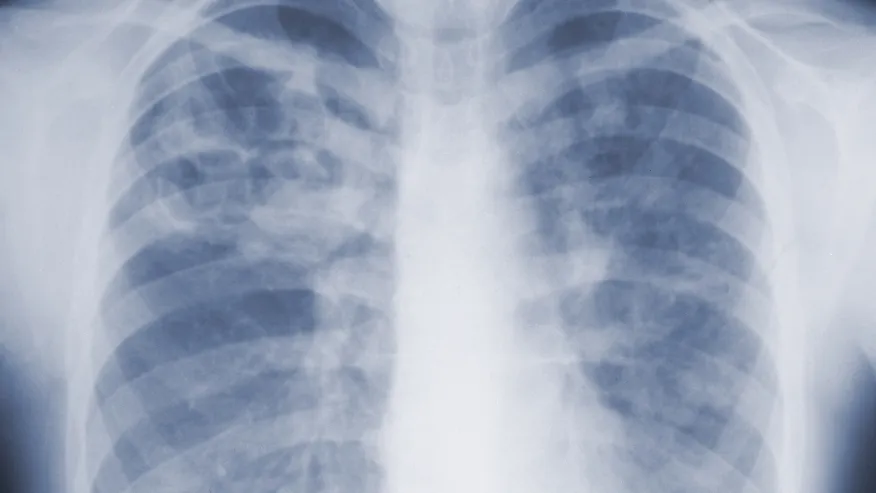
A new study from the Centers for Disease Control and Prevention (CDC) suggests that serious mold illnesses are more common than doctors once thought. The study looked at hospital patients in the Atlanta area and found about 450 cases of invasive mold disease over five years. About one third of those patients died in the hospital. Most healthy people will never get sick this way, but the news is a good reminder to take mold in your home seriously. Below is what the study says, what it does not say, and what we tell our Rhode Island customers.
What the New Study Found
Researchers worked with four hospitals near Atlanta and reviewed patient records from 2020 to 2024. Doctors are not required to report these illnesses, so no one had a clear count before now. The team said this is the first estimate of its kind. Here are the main points:
- About 450 cases of invasive mold disease were found over five years.
- Roughly one third of those patients died while in the hospital.
- CDC researchers have estimated more than 15,000 hospital stays a year across the country may be tied to invasive mold disease.
- The illness is rare and is most dangerous for older adults, cancer patients, and others with weak immune systems.
What the Study Does Not Say
We want to be straight with you, because this part gets twisted online. The study did not track where each patient first breathed in mold spores. Exposure can happen in a hospital, at work, outdoors, or at home, and the researchers did not sort that out. The study also focused on rare, serious infections, not the stuffy nose and cough that common household mold can cause. Still, the researchers noted that mold problems often follow storms and floods, which is something we deal with every year here in New England.
Why Rhode Island Homes Are at Risk
Rhode Island has damp coastal air and a lot of older houses, and that mix is very good for mold. Mold can start growing in as little as 24 to 48 hours after water gets into your home. A slow pipe leak, a wet basement, or a roof drip can feed mold for months before you ever see a spot. At Cleanworks, most of the mold we remove started with water that nobody dried out fast enough. If you have had any water trouble, our water damage restoration team can dry the space out before mold takes hold.
Signs You May Have Mold
You do not need a lab test to know something is off. Trust your nose and your eyes first. Call a pro if you notice any of these:
- A musty or earthy smell that will not go away
- Dark spots or fuzzy patches on walls, ceilings, or floors
- Water damage that was never fully dried out
- Wet windows, sweaty pipes, or a damp basement
- Coughing, stuffy noses, or itchy eyes that get better when you leave the house
Visible mold is often only a small part of the growth. The rest can hide behind drywall and under floors, which is why we test and inspect before we start any work.
Conclusion
The new CDC study is a reminder that mold is a health issue, not just a cleaning issue. Serious mold infections are rare and mostly affect people with weak immune systems, but home mold can still make your family miserable and damage your house. The safest move is to fix water problems fast and have mold removed the right way. At Cleanworks, our IICRC trained crews handle containment, removal, air scrubbing, and the rebuild afterward, and we work with your insurance company along the way. Contact Cleanworks or call 401-414-7169 for a same day assessment anywhere in Rhode Island. You can also learn more about our mold remediation services.
Frequently Asked Questions
Does mold in my house mean I will get one of these infections?
No. Invasive mold disease is rare and mostly affects people with weakened immune systems, such as cancer patients and the elderly. Common household mold is far more likely to cause allergy type symptoms like coughing, sneezing, and itchy eyes.
Should I clean mold myself or call someone?
A small spot on a hard surface, like the corner of a shower, is usually fine to clean yourself. Anything larger, anything behind a wall, or anything tied to water damage should be handled by a certified crew, because moving mold around without containment spreads spores through the house. Reach out to us if you are not sure which one you have.