

In the delicate dance of homeownership, few challenges rival the relentless force of water damage. Whether it arrives as a stealthy drip or an unwelcome flood, the impact can be both immediate and long-lasting. It’s a problem that demands attention and, more importantly, a strategic response. In our guide, “Navigating the Flood: A Comprehensive Guide to Water Damage Restoration,” we embark on a journey to demystify the complexities of water damage and equip you with the knowledge to navigate its aftermath effectively.
Picture this guide as a reliable compass, pointing you towards the right steps and strategies needed to not only recover from water damage but also to fortify your home against its potential recurrence. No labyrinthine jargon here; just straightforward, practical insights designed to make understanding water damage restoration a breeze. Join us as we delve into the why, how, tips, maintenance, benefits, and advantages of water damage restoration. Let’s transform the daunting task of water damage recovery into a manageable expedition—one where you’re in control, armed with the knowledge to safeguard your home.
Why Water Damage Restoration is Crucial for Homeowners
Water damage restoration is a critical lifeline for homeowners, serving as the key to salvaging both property and peace of mind. Beyond the visible stains and soggy carpets lies a deeper menace—unchecked water damage can compromise the structural integrity of your home. Swift restoration is imperative to prevent the insidious growth of mold, which poses health risks and further erodes your living environment. Moreover, timely intervention can save you substantial financial burdens, as it mitigates the need for extensive repairs and replacements. In essence, water damage restoration isn’t just about fixing visible issues; it’s a proactive defense against the unseen threats that lurk beneath the surface, ensuring your home remains a secure haven for years to come.
How Water Damage Can Impact Your Home
Water damage, like a stealthy intruder, can insidiously infiltrate the very heart of your home, wreaking havoc along its silent journey. Its impact extends beyond the visible signs, seeping into the structural integrity of walls, floors, and ceilings. Wood warps, paint peels, and mold stealthily claims its territory in the hidden nooks. Electrical systems face corrosion, compromising safety. Foundations, once sturdy, may weaken under the assault of water, endangering the core stability of your dwelling. The insidious consequences can extend to cherished belongings, rendering them susceptible to irreversible harm. Understanding how water damage can permeate every layer of your home is pivotal; it’s the first step towards a comprehensive restoration strategy that addresses not only the apparent damage but also the subtle threats that lie beneath the surface.
Tips for Identifying Water Damage Early
Identifying water damage early is paramount to minimizing its impact on your home and belongings. Recognizing the subtle signs can save you from extensive repairs and potential health hazards.
- Check for Unusual Stains on Walls and Ceilings: Keep a vigilant eye on your walls and ceilings for unexplained discoloration or stains. Water damage often manifests as yellowish-brown patches, indicating potential leaks or seepage. Pay special attention to corners and edges where water tends to accumulate.
- Inspect for Peeling or Bubbling Paint: Peeling or bubbling paint is a clear indicator of water intrusion. Moisture behind the walls causes the paint to lose adhesion, resulting in noticeable flaws. Regularly inspecting painted surfaces, especially in bathrooms and kitchens, can help you catch water damage in its early stages.
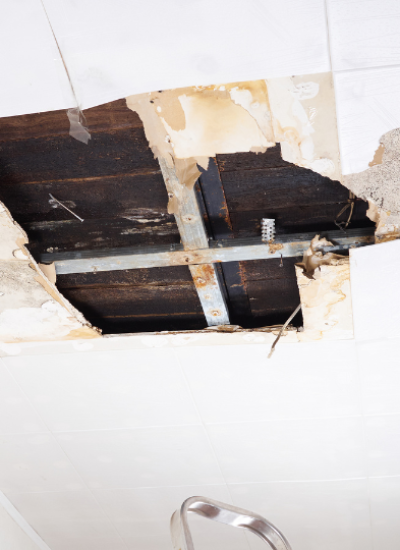
- Watch for Warped or Buckled Flooring: Flooring materials like wood or laminate can warp or buckle when exposed to water. Check for any unusual changes in your floor’s texture or appearance, as these could signify water damage from leaks, spills, or rising dampness.
- Detect Musty or Unpleasant Odors: Unpleasant odors, particularly a musty or earthy smell, can indicate hidden water damage. Mold and mildew thrive in damp environments, and their presence often accompanies water-related issues. Investigate the source of the odor promptly to prevent further damage.
- Monitor Unexplained Increases in Water Bills: Keep a close eye on your water bills for unexpected spikes. A sudden increase in water usage may be a sign of hidden leaks or pipe damage. Regularly comparing your water bills and investigating any unexplained changes can help you identify and address issues early.
By incorporating these tips into your routine home inspections, you empower yourself to catch water damage in its infancy. Remember, early detection is your first line of defense against the potentially devastating consequences of water intrusion.
How to Choose the Right Water Damage Restoration Professionals
Here are some considerations to guide you in making an informed choice:
- Credentials and Certifications: Ensure that the restoration professionals hold industry-recognized certifications and relevant licenses. Certifications from organizations such as the Institute of Inspection, Cleaning and Restoration Certification (IICRC) signify expertise and adherence to industry standards.
- Experience in Water Damage Restoration: Opt for professionals with a proven track record in water damage restoration. Consider their experience in handling similar situations, as this expertise often translates into more efficient and effective restoration processes.
- Availability and Response Time: Emergencies don’t wait, so choose a restoration team that offers 24/7 availability. Quick response times are critical in minimizing damage, so inquire about their emergency response protocols and how swiftly they can be on-site.
- Insurance Knowledge and Assistance: A reputable restoration company should have a thorough understanding of the insurance claims process. Choose professionals who can assist you in navigating the complexities of insurance claims, ensuring a smoother and more streamlined experience.
- Range of Services and Equipment: Assess the range of services offered by the restoration professionals. A comprehensive approach that includes water extraction, drying, dehumidification, and mold remediation is essential. Additionally, inquire about the advanced equipment they use, as this can significantly impact the efficiency of the restoration process.
Benefits of Swift Water Damage Restoration
Swift water damage restoration offers crucial advantages, preventing mold growth, preserving belongings, mitigating structural damage, reducing health risks, and preventing secondary damage, ensuring a swift recovery process.
- Prevention of Mold Growth: Acting promptly helps prevent the onset and proliferation of mold. Mold thrives in damp environments, and by swiftly addressing water damage, you inhibit its growth, safeguarding both your property and your health.
- Preservation of Belongings: Quick intervention can salvage and protect your belongings. From furniture to personal items, minimizing exposure to water ensures a higher chance of recovering and preserving your valued possessions.
- Mitigation of Structural Damage: Water can wreak havoc on a building’s structure. Swift restoration mitigates structural damage, preserving the integrity of your home and avoiding potentially costly repairs down the line.
- Reduction of Health Risks: Stagnant water can become a breeding ground for harmful bacteria and contaminants. Swift removal minimizes health risks, ensuring that you and your family aren’t exposed to potentially hazardous substances that can thrive in standing water.
- Prevention of Secondary Damage: Water damage often leads to secondary issues like electrical problems and compromised insulation. Swift restoration helps prevent these secondary damages, saving you from additional headaches and expenses in the long run.
Swift water damage restoration is a proactive approach that offers a multitude of benefits. From preventing mold growth and preserving structural integrity to protecting your belongings and minimizing restoration costs, acting promptly is the key to a successful and efficient recovery. Additionally, it helps stave off secondary damages, ensuring that your home is not only restored quickly but also comprehensively.
Advantages of Professional Water Damage Assessment
When faced with water damage, the first crucial step is a comprehensive assessment, and entrusting this task to professionals brings forth numerous advantages.
- Accurate Identification of Damage Extent: Professional assessors have the expertise to accurately identify the full extent of water damage. This includes hidden pockets of moisture that may elude untrained eyes. Their precision ensures that no aspect of the damage goes unnoticed, allowing for a more thorough restoration plan.
- Classification of Water Damage Severity: Water damage comes in various classes, each requiring a specific approach for effective restoration. Professionals classify the damage accurately, determining whether it’s from clean water, greywater, or blackwater. This classification is vital for tailoring a restoration strategy that addresses the unique challenges posed by different water types.
- Identification of Potential Health Hazards:
- Water damage often brings the risk of mold growth and contamination. Professionals can identify potential health hazards, taking proactive measures to address them. Their expertise helps safeguard the well-being of occupants by ensuring that the restoration process eliminates health risks.
- Efficient Planning and Resource Allocation: A professional assessment allows for efficient planning and resource allocation during the restoration process. By understanding the extent and severity of the damage, professionals can deploy the right equipment and personnel, streamlining the restoration timeline and minimizing disruptions.
- Streamlined Insurance Claims: Accurate documentation provided by professional assessors streamlines the insurance claims process. Insurance companies rely on detailed assessments to evaluate the extent of the damage and determine the coverage. Professional documentation ensures that claims are processed smoothly, facilitating a faster reimbursement and aiding in a quicker recovery.
Opting for a professional water damage assessment ensures precision in identifying damage, classifying severity, addressing health hazards, efficient resource allocation, and facilitating a streamlined insurance process. It is an essential first step towards a thorough and effective water damage restoration.
Conclusion
Navigating the Flood: A Comprehensive Guide to Water Damage Restoration” has been our earnest endeavor at Cleanworks, Inc to empower homeowners with knowledge and guidance in the face of water damage challenges. As a team committed to ensuring the well-being of your homes, we advocate for swift action, professional assessments, and strategic restoration. Located at 26 Albion Rd #201, Lincoln, our dedicated professionals at Cleanworks, Inc (contactable at (401) 265-3470) stand ready to assist, turning this guide into actionable steps for a resilient and restored home.