
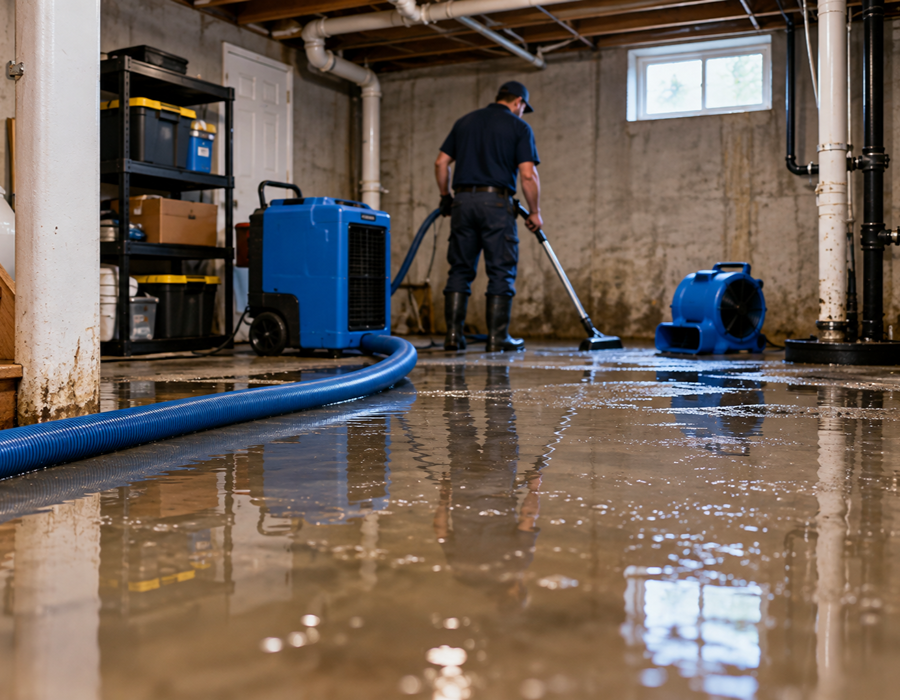
A sewage backup in your basement needs quick attention. The safest first steps are to stay out of the affected area, keep children and pets away, stop using plumbing if it may make the backup worse, and contact a professional sewage cleanup company.
Unlike a small clean-water leak, sewage can contain harmful contaminants. Cleanup may require water removal, damaged material removal, cleaning, sanitizing, drying, and repairs. If you are dealing with a sewer backup in Rhode Island, Cleanworks provides 24/7 restoration and sewage remediation services.
Need help now? Contact Cleanworks for emergency sewage cleanup in Rhode Island.
Why Is a Sewage Backup Different From a Normal Flood?
A flooded basement caused by clean water and a basement filled with sewage are not the same problem. Sewage water may contain bacteria, viruses, waste, and other contaminants.
Carpet, drywall, insulation, and other materials can absorb contaminated water. Simply removing the visible water may not be enough.
If you are unsure what steps normally follow a water emergency, read our guide on what to do in the first 48 hours after property damage.
What Should You Do First After a Sewer Backup?
Keep your distance from the affected area until you know it is safe. Avoid walking through sewage water or trying to move contaminated belongings without proper protection.
Your first steps should include:
- Keep children and pets away
- Avoid contact with sewage water
- Do not use plumbing if it is making the backup worse
- Avoid using electrical equipment in wet areas
- Call a professional sewage cleanup company
- Take photos from a safe location for insurance documentation
Cleanworks is available 24/7 for restoration emergencies throughout Rhode Island.
What Happens During Professional Sewage Cleanup?
The exact process depends on how far the sewage has spread and which materials were affected. A restoration team will first assess the damage and determine what can be cleaned and what may need to be removed.
Standing water and sewage are removed before affected surfaces are cleaned and sanitized. The area then needs to be properly dried so moisture is not left behind inside floors, walls, or other materials.
If you need help choosing a qualified company, see our guide on how to find a good restoration company after water damage.
Can Carpet and Drywall Be Saved After a Sewage Backup?
It depends on the amount of contamination and how deeply the water reached. Porous materials can absorb contaminated water, which can make proper cleaning difficult.
Materials that may require removal include:
- Carpet and carpet padding
- Drywall
- Insulation
- Certain types of flooring
- Baseboards
- Upholstered materials
Drywall can hide moisture even after the surface looks dry. Learn more about drywall water damage and when replacement may be needed.
Can a Sewage Backup Lead to Mold?
Moisture left after a sewage backup can create conditions that allow mold to grow. This is another reason why removing the sewage is only part of the cleanup process.
The affected area also needs to be dried and monitored for remaining moisture. Cleanworks provides both water damage restoration and mold remediation when a property requires additional restoration work.
You can learn more about how fast mold can start growing after water damage in Rhode Island.
Will Homeowners Insurance Cover a Sewage Backup?
Coverage depends on your insurance policy and the cause of the backup. Some homeowners may have sewer or water backup coverage, while other policies may exclude it unless additional coverage was purchased.
Document the damage and contact your insurance company as soon as possible. Cleanworks also specializes in insurance restoration and can help homeowners understand the restoration side of the process.
Read more about how insurance restoration works in Rhode Island.
Get Professional Sewage Cleanup in Rhode Island
A basement sewage backup is not something you want to ignore. Contaminated water can spread into flooring, walls, belongings, and other parts of the property if the problem is not handled correctly.
Cleanworks provides sewage remediation, water damage restoration, structural drying, mold remediation, and reconstruction services for Rhode Island homes and businesses. From the initial cleanup through necessary repairs, the goal is to get your property clean, dry, and ready to use again.
Have sewage or contaminated water in your home? Contact Cleanworks today for 24/7 emergency sewage cleanup and restoration in Rhode Island.
Frequently Asked Questions
Can I clean up a small sewage backup myself?
Even a small sewage backup can contain contaminants that are unsafe to handle without the right protection and cleaning methods. If sewage has reached carpet, drywall, flooring, or other porous materials, professional evaluation is a safer option.
How long does sewage cleanup take?
The timeline depends on how much sewage entered the property and which materials were affected. Water removal may happen quickly, but cleaning, sanitizing, structural drying, and repairs can take longer depending on the damage.
Focus Keyword: sewage backup cleanup Rhode Island
SEO Title: Sewage Backup Cleanup in Rhode Island | Cleanworks
Meta Description: Need sewage backup cleanup in Rhode Island? Learn what to do after a basement sewer backup and how professional cleanup protects your property.
What to Do After a Sewage Backup in Your Basement
A sewage backup in your basement needs quick attention. The safest first steps are to stay out of the affected area, keep children and pets away, stop using plumbing if it may make the backup worse, and contact a professional sewage cleanup company.
Unlike a small clean-water leak, sewage can contain harmful contaminants. Cleanup may require water removal, damaged material removal, cleaning, sanitizing, drying, and repairs. If you are dealing with a sewer backup in Rhode Island, Cleanworks provides 24/7 restoration and sewage remediation services.
Need help now? Contact Cleanworks for emergency sewage cleanup in Rhode Island.
Why Is a Sewage Backup Different From a Normal Flood?
A flooded basement caused by clean water and a basement filled with sewage are not the same problem. Sewage water may contain bacteria, viruses, waste, and other contaminants.
Carpet, drywall, insulation, and other materials can absorb contaminated water. Simply removing the visible water may not be enough.
If you are unsure what steps normally follow a water emergency, read our guide on what to do in the first 48 hours after property damage.
What Should You Do First After a Sewer Backup?
Keep your distance from the affected area until you know it is safe. Avoid walking through sewage water or trying to move contaminated belongings without proper protection.
Your first steps should include:
- Keep children and pets away
- Avoid contact with sewage water
- Do not use plumbing if it is making the backup worse
- Avoid using electrical equipment in wet areas
- Call a professional sewage cleanup company
- Take photos from a safe location for insurance documentation
Cleanworks is available 24/7 for restoration emergencies throughout Rhode Island.
What Happens During Professional Sewage Cleanup?
The exact process depends on how far the sewage has spread and which materials were affected. A restoration team will first assess the damage and determine what can be cleaned and what may need to be removed.
Standing water and sewage are removed before affected surfaces are cleaned and sanitized. The area then needs to be properly dried so moisture is not left behind inside floors, walls, or other materials.
If you need help choosing a qualified company, see our guide on how to find a good restoration company after water damage.
Can Carpet and Drywall Be Saved After a Sewage Backup?
It depends on the amount of contamination and how deeply the water reached. Porous materials can absorb contaminated water, which can make proper cleaning difficult.
Materials that may require removal include:
- Carpet and carpet padding
- Drywall
- Insulation
- Certain types of flooring
- Baseboards
- Upholstered materials
Drywall can hide moisture even after the surface looks dry. Learn more about drywall water damage and when replacement may be needed.
Can a Sewage Backup Lead to Mold?
Moisture left after a sewage backup can create conditions that allow mold to grow. This is another reason why removing the sewage is only part of the cleanup process.
The affected area also needs to be dried and monitored for remaining moisture. Cleanworks provides both water damage restoration and mold remediation when a property requires additional restoration work.
You can learn more about how fast mold can start growing after water damage in Rhode Island.
Will Homeowners Insurance Cover a Sewage Backup?
Coverage depends on your insurance policy and the cause of the backup. Some homeowners may have sewer or water backup coverage, while other policies may exclude it unless additional coverage was purchased.
Document the damage and contact your insurance company as soon as possible. Cleanworks also specializes in insurance restoration and can help homeowners understand the restoration side of the process.
Read more about how insurance restoration works in Rhode Island.
Get Professional Sewage Cleanup in Rhode Island
A basement sewage backup is not something you want to ignore. Contaminated water can spread into flooring, walls, belongings, and other parts of the property if the problem is not handled correctly.
Cleanworks provides sewage remediation, water damage restoration, structural drying, mold remediation, and reconstruction services for Rhode Island homes and businesses. From the initial cleanup through necessary repairs, the goal is to get your property clean, dry, and ready to use again.
Have sewage or contaminated water in your home? Contact Cleanworks today for 24/7 emergency sewage cleanup and restoration in Rhode Island.
Frequently Asked Questions
Can I clean up a small sewage backup myself?
Even a small sewage backup can contain contaminants that are unsafe to handle without the right protection and cleaning methods. If sewage has reached carpet, drywall, flooring, or other porous materials, professional evaluation is a safer option.
How long does sewage cleanup take?
The timeline depends on how much sewage entered the property and which materials were affected. Water removal may happen quickly, but cleaning, sanitizing, structural drying, and repairs can take longer depending on the damage.